

Care Guide for Pillow Protectors
Care Guide for Pillow Protectors
Pillow protectors are designed to safeguard your pillows from everyday wear, moisture, dust, and allergens while maintaining a clean and comfortable sleeping environment. Acting as the first protective layer, they help keep pillows fresher for longer and support better hygiene.
Because pillow protectors are in direct contact with the sleeper, they should be washed regularly to remove oils, sweat, and accumulated particles. Proper washing and drying help preserve the softness of the fabric and maintain the protector’s overall durability.
Following the recommended care instructions will help extend the lifespan of your pillow protectors while maintaining their comfort, cleanliness, and protective performance over time.
Care & Washing Instructions
Care & Washing Instructions
Pillow Protectors are designed to provide a protective barrier between the pillow and the sleeper while maintaining comfort and hygiene. Regular washing helps remove sweat, oils, and dust that accumulate during everyday use.
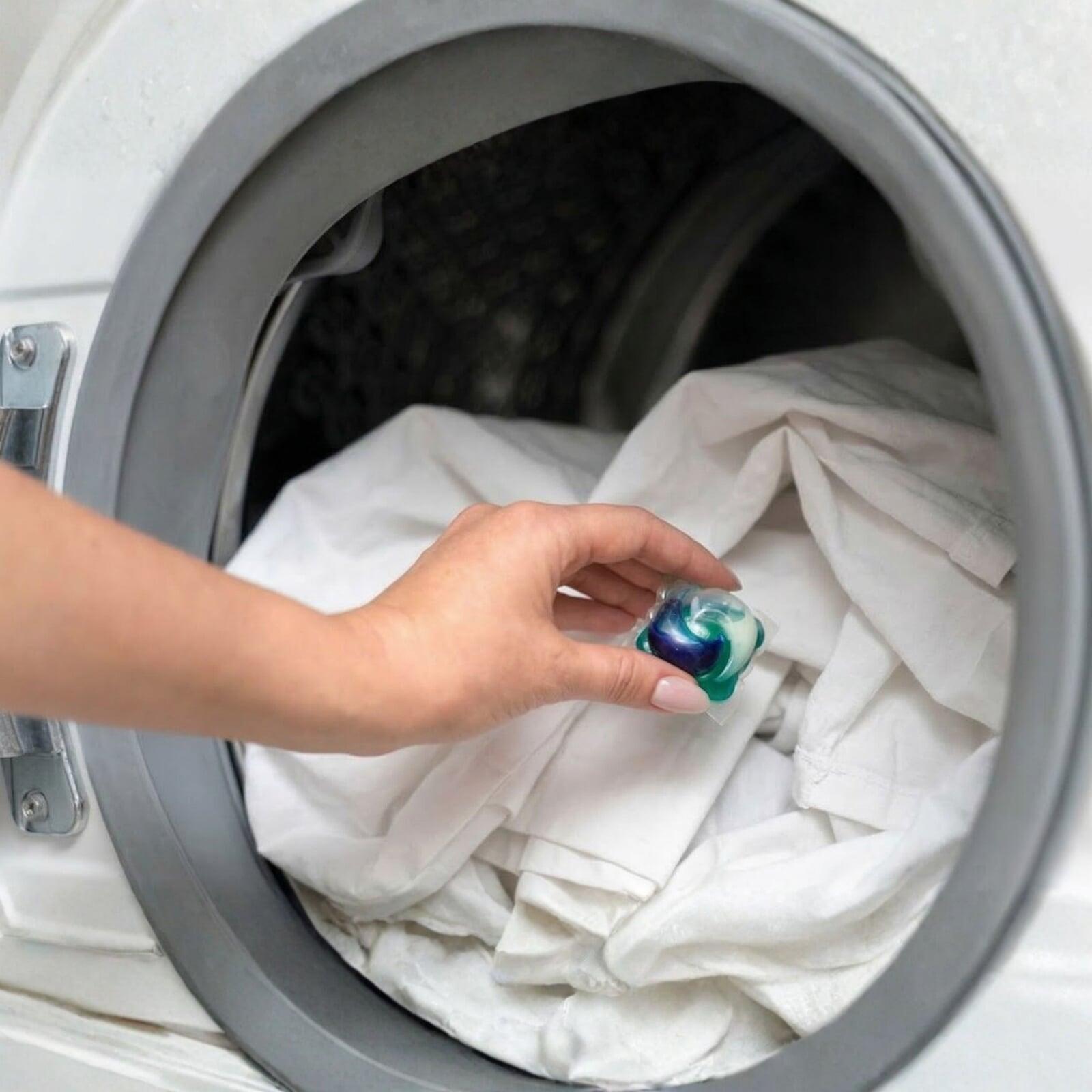
Machine wash the pillow protector at 30–40°C (86–104°F) using a delicate or cotton cycle. Always wash with similar colors and turn the protector inside out before washing to preserve fabric quality and stitching.
Use a mild liquid detergent that does not contain harsh chemicals. Avoid chlorine bleach, as it can weaken fibers and cause discoloration. If necessary, an oxygen-based bleach may be used occasionally.
For waterproof pillow protectors, avoid excessive heat and use a low spin cycle to help maintain the integrity of the protective membrane.
Drying Guidelines
Drying Guidelines
Proper drying is essential to maintain the softness, structure, and durability of pillow protectors.
Tumble dry on low heat if using a dryer. High temperatures may damage the fabric structure or deform zipper components over time.
For best results, remove the pillow protector promptly after the drying cycle finishes to reduce wrinkles.
Air drying is also an excellent option. Hang the protector or lay it flat in a well-ventilated area until fully dry. Avoid prolonged exposure to direct sunlight or strong heat sources, which may affect fabric longevity.
Pressing & Finishing
Pressing & Finishing
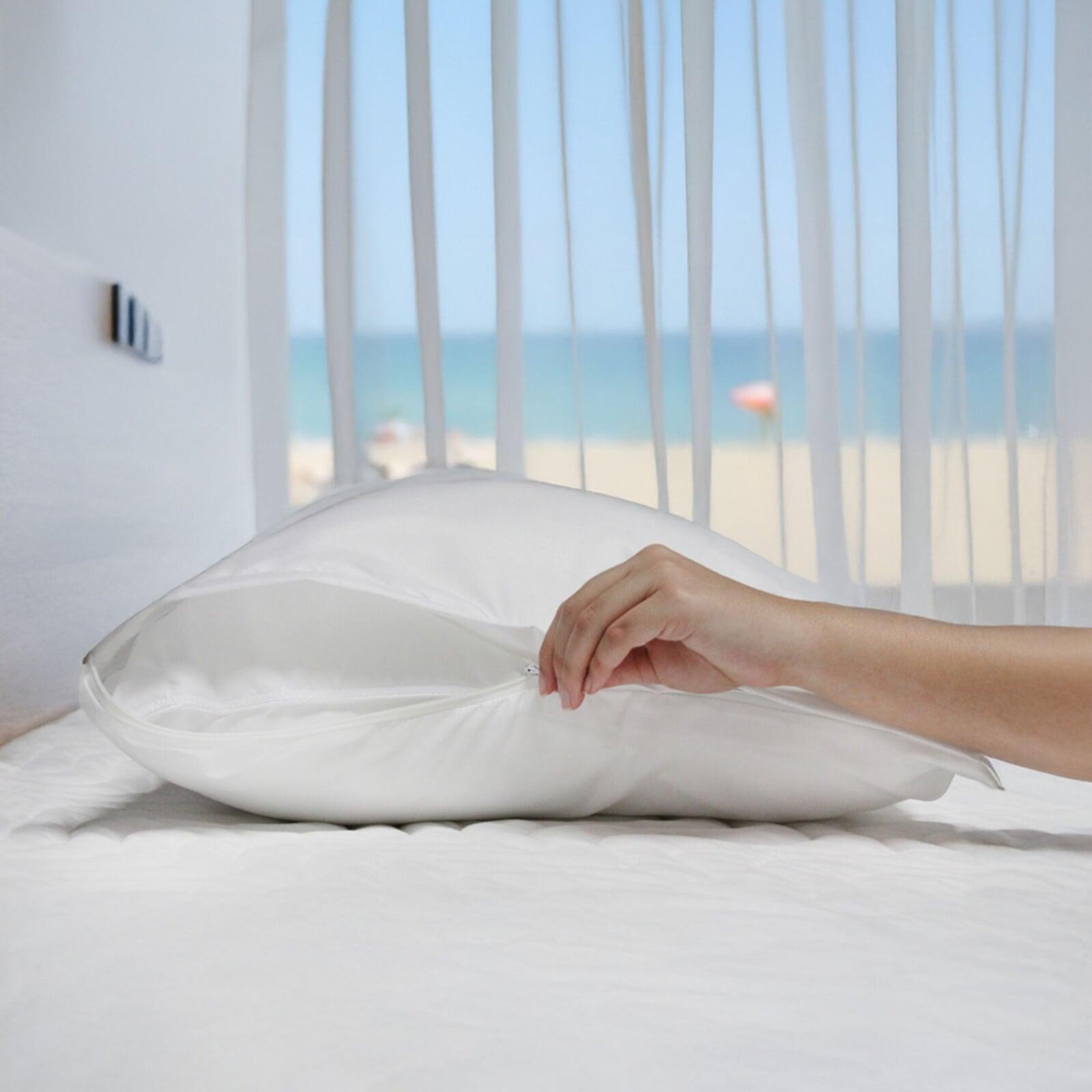
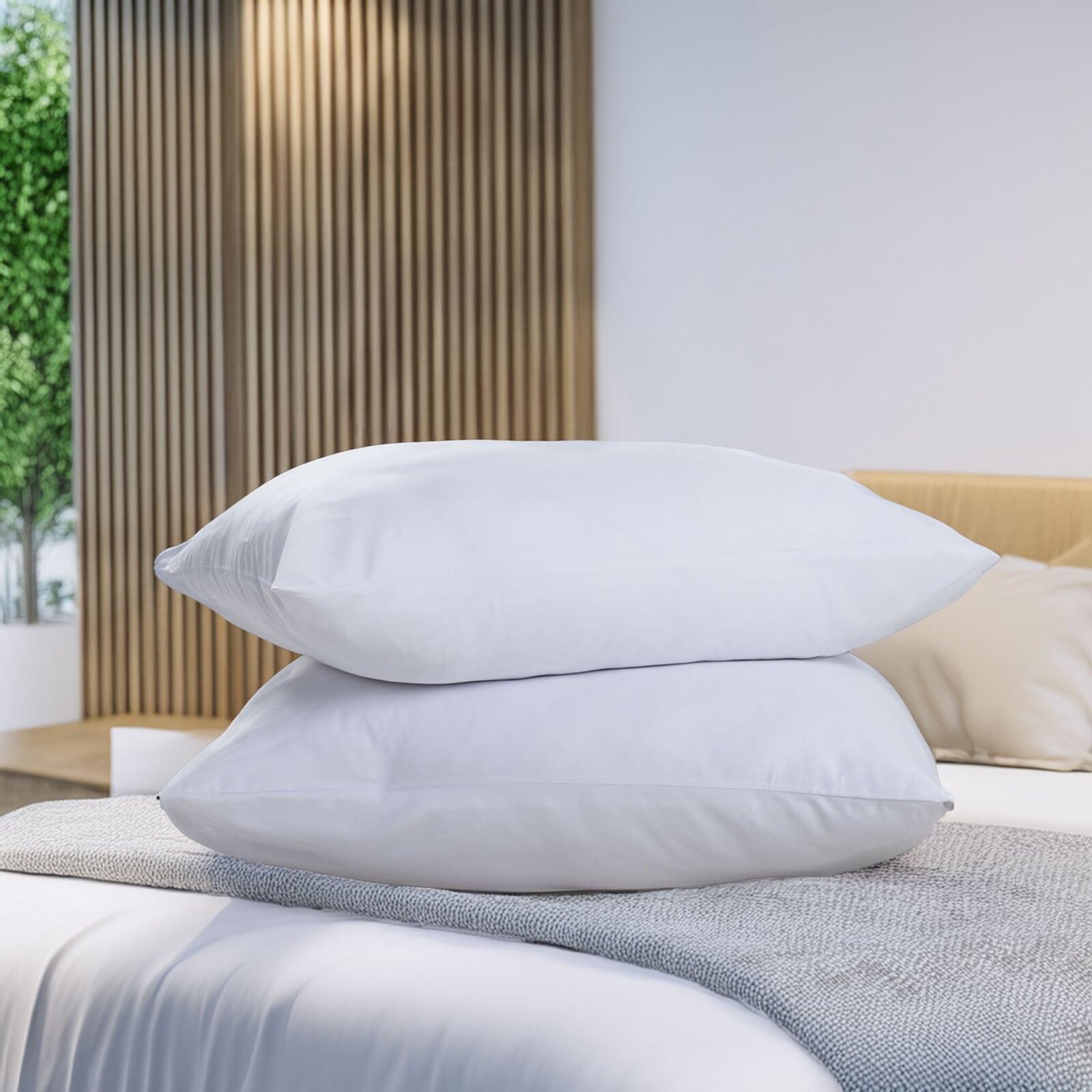
In most cases, pillow protectors do not require ironing. The fabric naturally smooths out after proper drying and placement on the pillow.
If pressing is necessary, use a low temperature setting and avoid direct heat on waterproof layers or zipper areas. Excessive heat may damage protective membranes in waterproof models.
For hospitality environments, light steaming can help refresh the fabric and maintain a neat appearance without stressing the fibers.
Additional Care Tips
Additional Care Tips
To maintain the quality and performance of your pillow protector for years to come, follow these simple care recommendations.
Wash pillow protectors regularly, especially in hospitality environments where hygiene standards are essential.
Avoid overloading the washing machine, as this may prevent proper cleaning and rinsing.
Ensure the protector is completely dry before use or storage to prevent moisture buildup.
By following these care guidelines, your pillow protector will continue to provide reliable protection, comfort, and durability while preserving the quality of your bedding.